
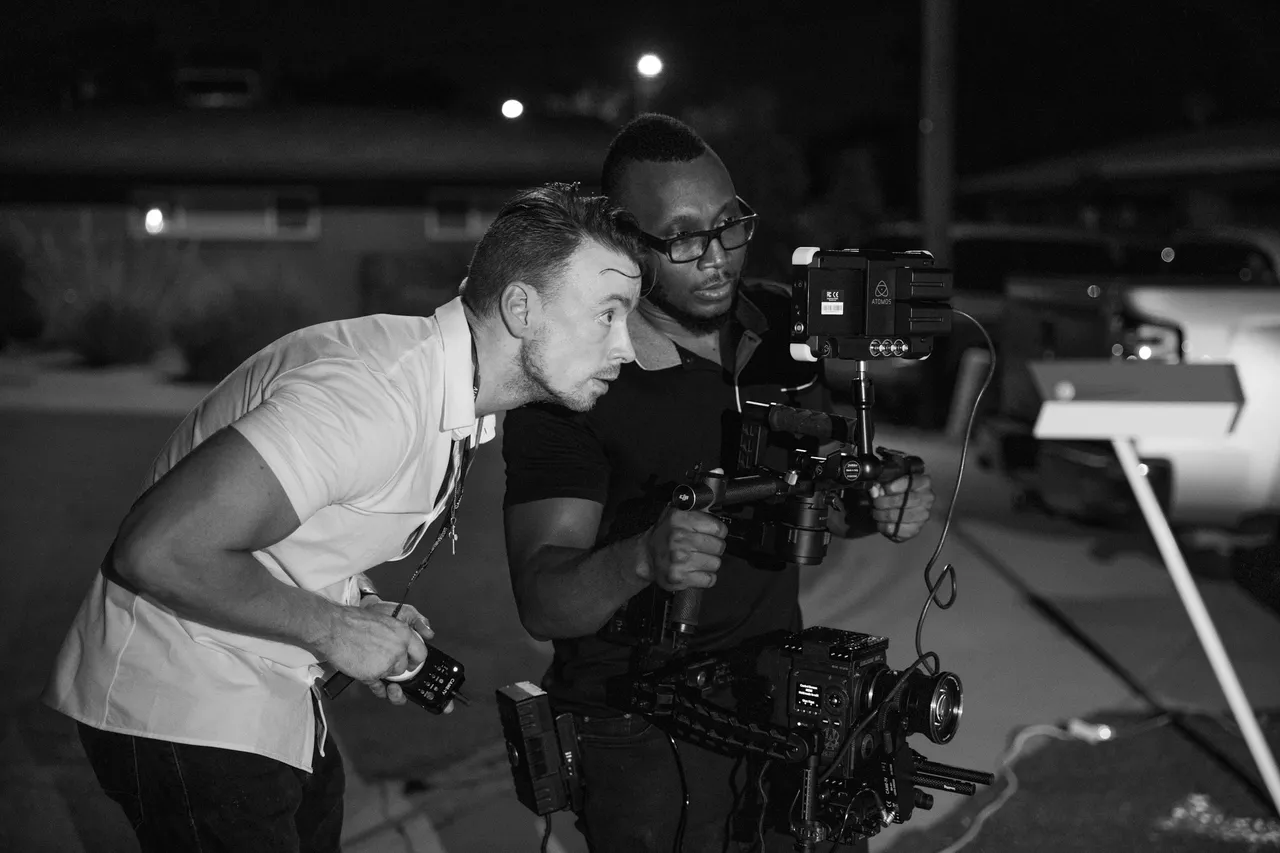
The first product for the founders of Wonder Dynamics
A film you can walk into.
What changed
A scene can be watched three ways in one browser player, on a phone or a desktop, and the viewer can move between them without the story resetting. A director can build an interactive scene without an engineer. Partners can embed the experience in their own apps. The pitch became a product a studio could put in front of an audience.
The player follows the patterns people already know from watching video on the web, then adds what nobody had shipped: interactive objects tracked inside a 360 scene, gaze-based interaction in a headset, and analytics on what viewers looked at, touched, and skipped.
The problem worth taking on
Three ways to watch, one story
The Approach
We built the whole product layer. The Aether player: flat, 360, and VR playback on the founders' switching approach, navigation that fits the device in hand, and objects in the scene that open text, video, or images on a look or a tap. The Aether SDK: a metadata format for the scene and its interactions, an object model, a customisation API, lifecycle events, and analytics. And the authoring tool the team used to create every asset the player ran.
The Challenge
The founders had a patented approach to switching between flat and 360 playback and a vision for interactive film. What they did not have was the product: a player that ran in a browser on any device, kept the story in sync across flat, 360, and VR, let a viewer reach into the scene, and gave a director a way to author all of it. It had to feel as ordinary as pressing play.
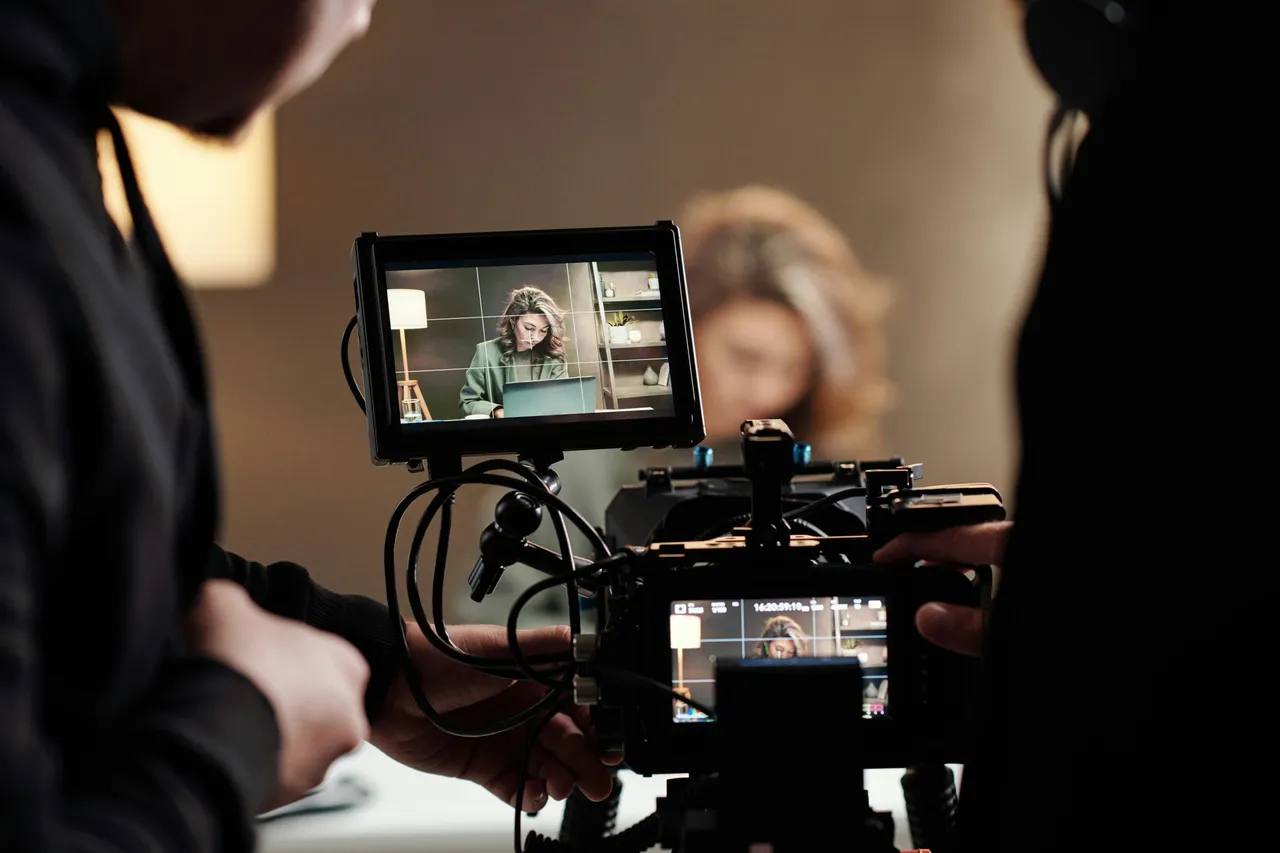
Every frame responds
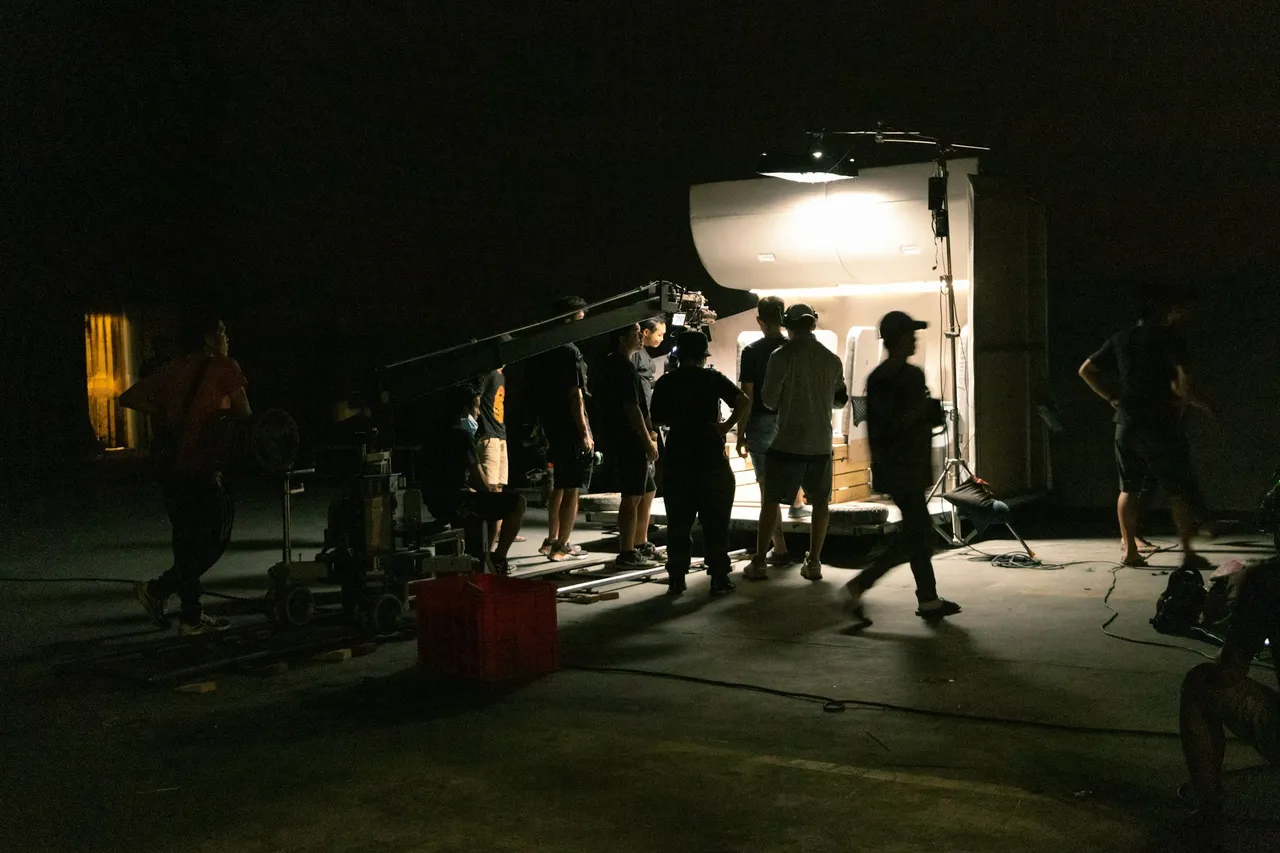
A film that can be walked into has to know where the viewer is looking. The player tracked interactive objects through every frame, told the viewer when one was in reach, and reported back what people actually did in the scene, so the next cut was made on evidence rather than instinct. The SDK made the same experience embeddable by any partner, with or without the 360 mode, and the authoring tool made each new scene a creative decision instead of a build.
Outcomes for the founders, the studios, and the audience
What shipping the first product made possible.
The founders
- A working product to put in front of studios, not a demo
- Three products from one team: the player, the SDK, the authoring tool
- A patented switching approach turned into something a viewer can use
- Scenes authored in-house, without an engineer in the loop
The studios
- Interactive film work delivered with major studio teams in the room
- One player across desktop and mobile browsers
- Embeddable by a partner in its own app through the SDK
- Analytics on what audiences looked at, touched, and skipped
The audience
- Flat, 360, and VR in one player, with the story never resetting
- Objects in the scene that respond to a look or a tap
- Navigation that follows the patterns people already know
- Works in the browser they already have, on the phone in their hand
What we shipped
The product layer under the founders' vision.
- Aether player: flat, 360, and VR playback in one browser player
- Synchronised switching between modes so the story never resets
- Interactive objects tracked inside the 360 scene, with gaze, tap, and click interaction
- Aether SDK: metadata format, object model, customisation API, lifecycle events, analytics
- Authoring tool for creating scenes, objects, and interactions without an engineer
- Embeddable partner integration, with or without the 360 experience
The first product, before the rest
Aether shipped as a player, an SDK, and an authoring tool, and ran the interactive film work the founders did with major studios. They went on to build Wonder Studio, an AI animation and VFX platform, and Autodesk acquired Wonder Dynamics. That is their outcome. Ours is the first product: the thing that had to work before any of the rest could be believed.

Building something like this?
Tell us what the business needs to win and who owns it on your side. If it is a fit, a First Build starts within weeks. If it is not, we will tell you why.