

The operating system of the surgery center
Every patient, every room, in real time.
What changed
Patients wait a quarter less. Operating rooms are used fifteen percent more. Families stopped asking the front desk where their person is, because their phone tells them. Administrators run the day on numbers that update by the second, not on last month's report.
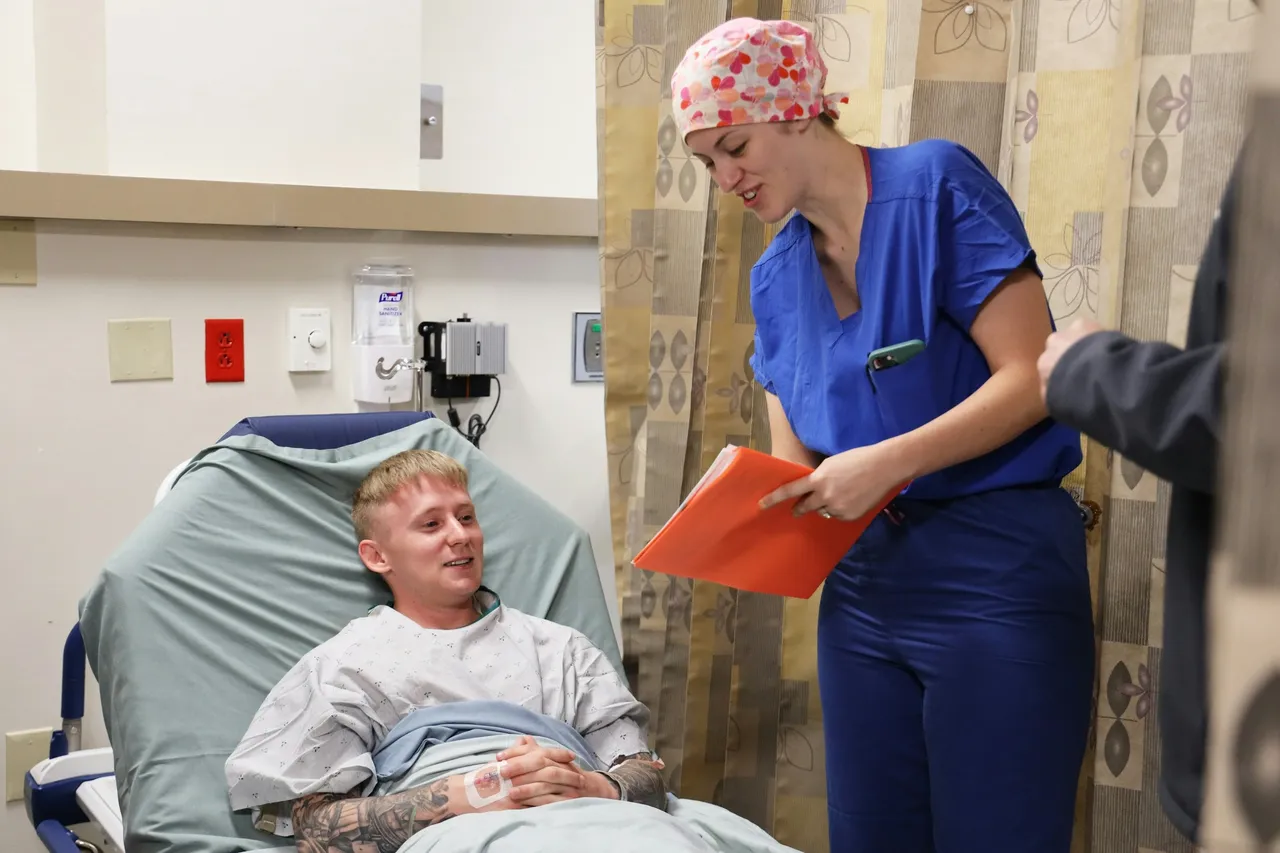
A bracelet with a BLE beacon tracks each patient through registration, pre-op, the operating room, and recovery. Every movement becomes an event. Every event updates the boards on the wall, the app in the nurse's pocket, and the link in the family's messages, at the same moment, across every center the operator runs.
The problem worth taking on
A center that could not see itself
The Approach
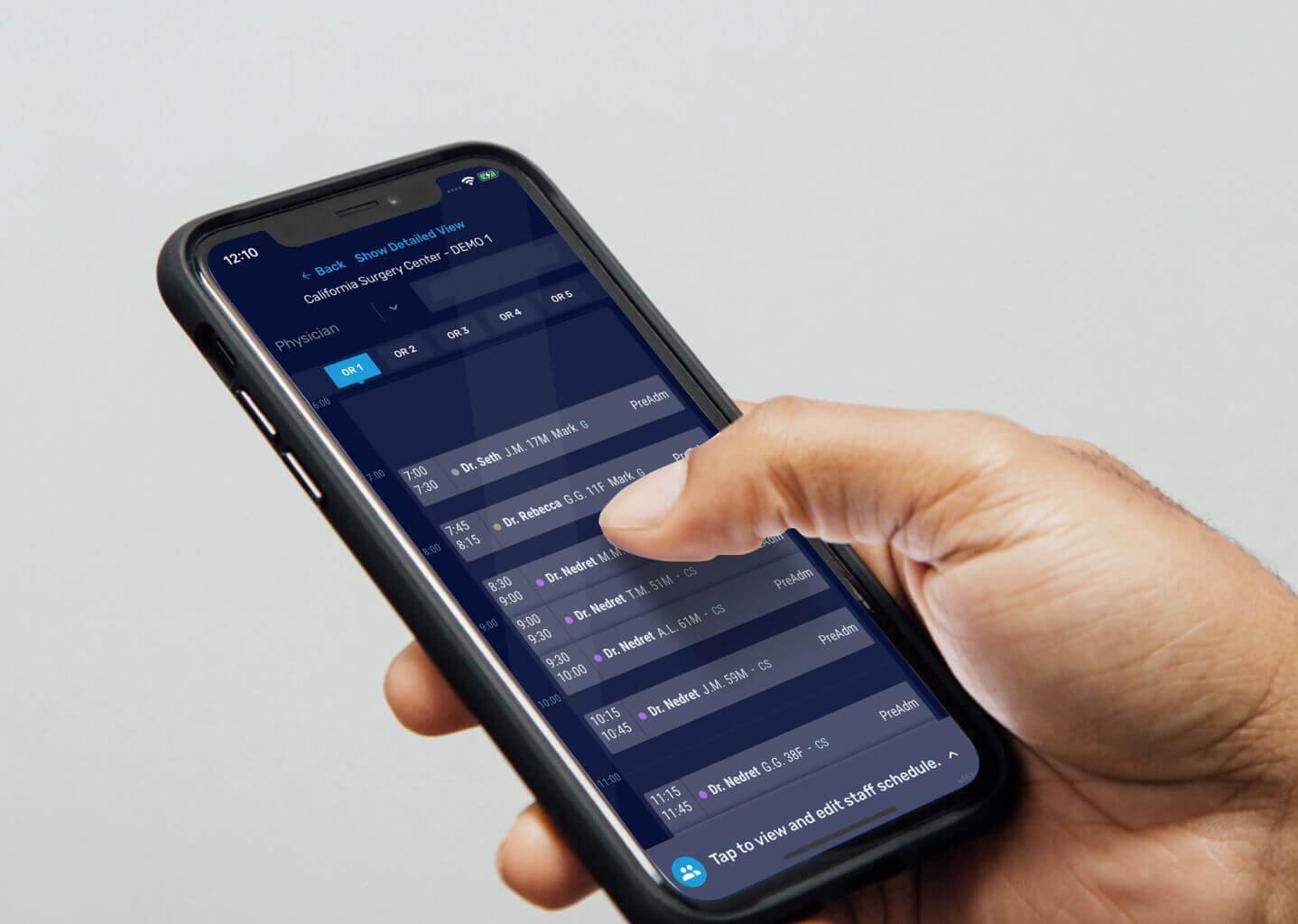
We built one system of record for the day: beacon tracking for patients, role-based apps for clinicians, screens for waiting rooms and recovery, a family link sent by text, and an analytics layer that surfaces the bottleneck forming in pre-op before it reaches the operating room. Scheduling, staff, and family communication moved onto the same platform.
The Challenge
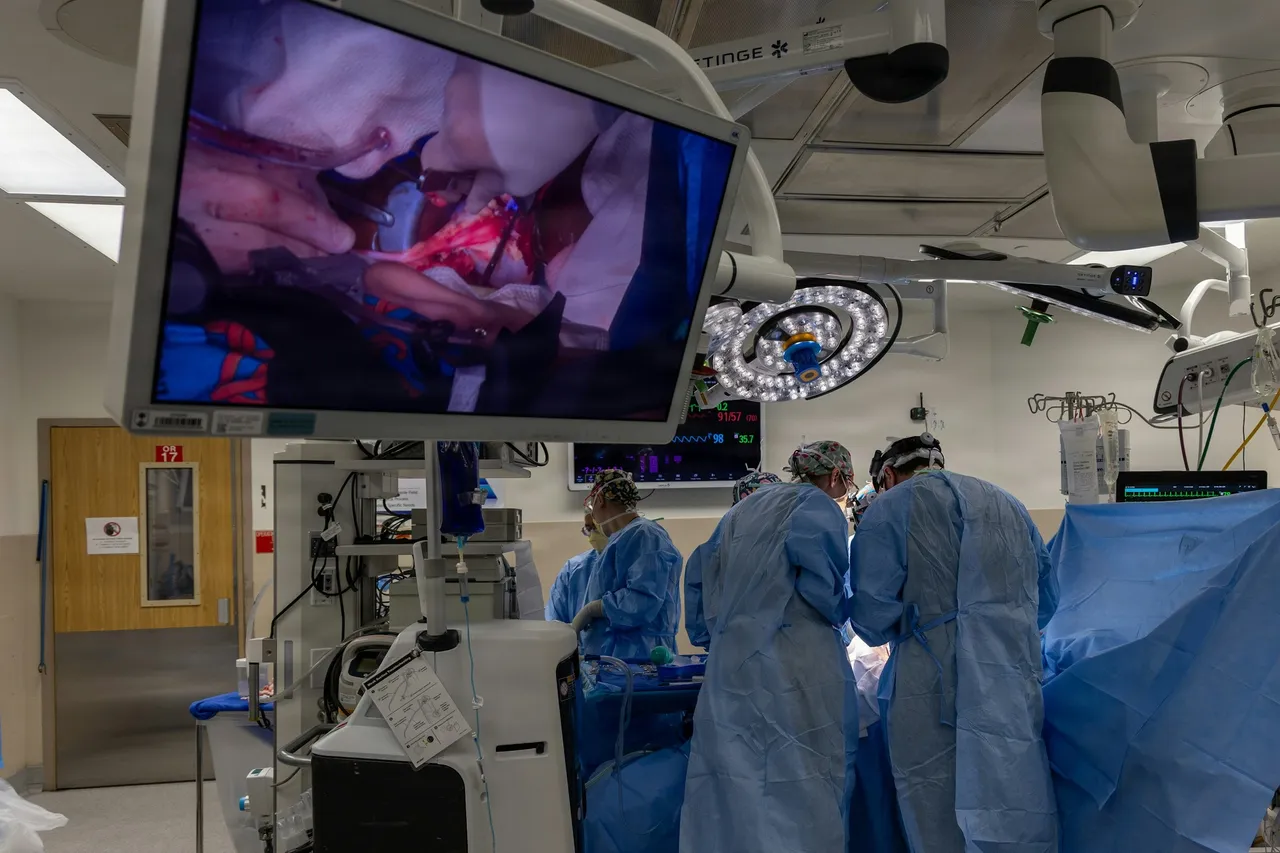
Nobody knew, at any given minute, where every patient was. Operating rooms sat empty while staff looked for equipment. Families waited in a lobby with no information. The operator wanted a live view of every touchpoint without disturbing a surgical workflow that had been choreographed over years, and everything had to be HIPAA-compliant from the first release.
Built with the operator, in the building
The first release was a patient-tracking slice on real bracelets in one real center. It worked, so the operator asked for more: staff communication, patient-record enrichment, scheduling with conflict detection, and the intelligence layer that turns events into decisions.
We went from clipboard chaos to knowing exactly where every patient is, in real time. Families stopped asking. They could see for themselves.
— Operator leadership
Hundreds of millions of events a day
Every beacon ping, schedule change, room transition, and staff action is an event. The platform processes hundreds of millions of them a day and pushes each change to thousands of live dashboards across the operator's ambulatory surgery centers, in real time. At that volume the platform does more than report. It predicts where the day will slip and tells the right person in time.
Outcomes across the whole center
What the platform changed for each person in the building.
Patients and families
- Wait times cut by a quarter, because the bottleneck is seen before it forms
- A text link that shows a family where their person is, in real time
- Registration completed from home before the day of surgery
- Feedback collected after every procedure and fed back into the schedule
The operator
- Operating-room utilization up fifteen percent through data-driven scheduling
- Paper workflows replaced across every center on the platform
- One platform deployed across multiple surgery centers, sold as software
- Wait, utilization, and recovery measured across every center, not sampled
Clinicians
- Every patient's location, from registration to discharge, on one board
- Alerts for schedule changes and patient transitions, sent to the right role
- Wait, operating-room, and recovery times measured continuously
- HIPAA compliance built in: role-based access and a full audit trail
What runs today
The platform started as one tracking slice and grew into the system the operator runs its centers on.
- Patient tracking: BLE beacon bracelets across the whole facility
- Family link: text-based tracking with status updates
- Clinician app: role-based progressive web app for physicians and nurses
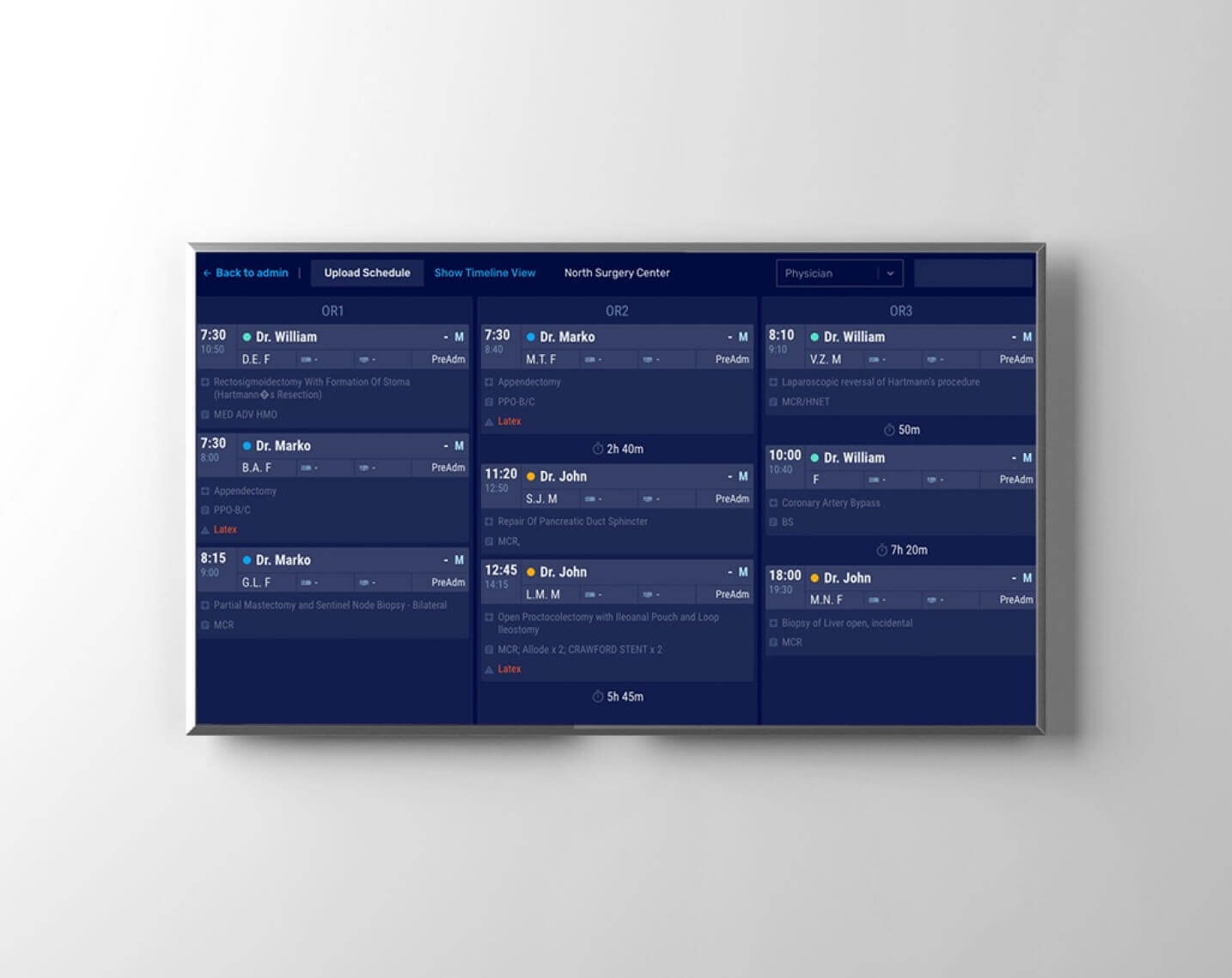
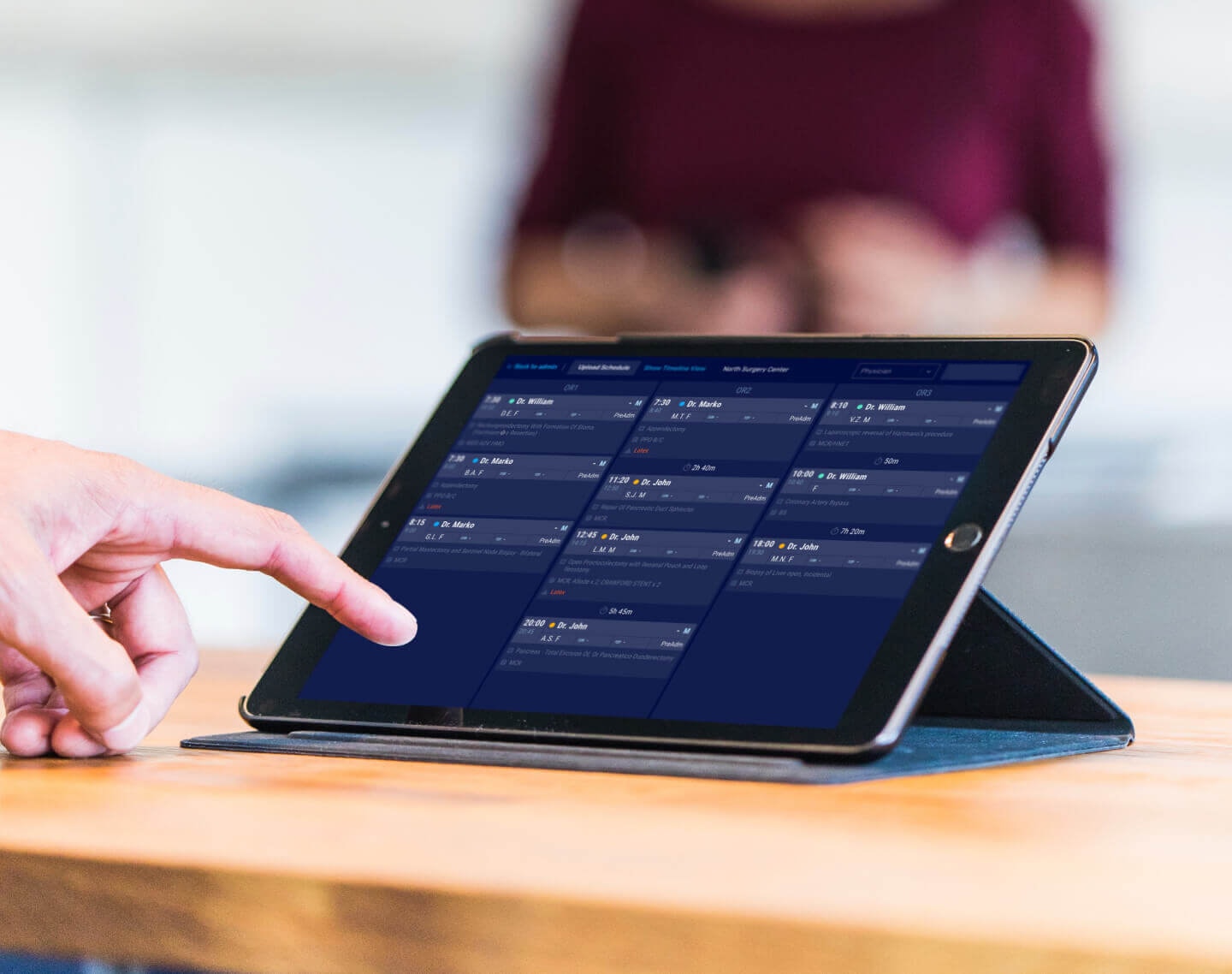
- Live boards: configurable displays for waiting rooms, pre-op, operating rooms, and recovery
- Scheduling: procedure scheduling with automatic conflict detection
- Registration: pre-surgery forms completed from home
- Intelligence: wait, utilization, and recovery analytics with predictive alerts
- Security: HIPAA-compliant infrastructure with role-based access and audit logging
From chaos to orchestration
Staff know where every patient is. Families feel informed instead of anxious. Administrators run the day on live numbers and improve it every week. The platform has become how the operator runs its business, and it is still growing.



Building something like this?
Tell us what the business needs to win and who owns it on your side. If it is a fit, a First Build starts within weeks. If it is not, we will tell you why.